
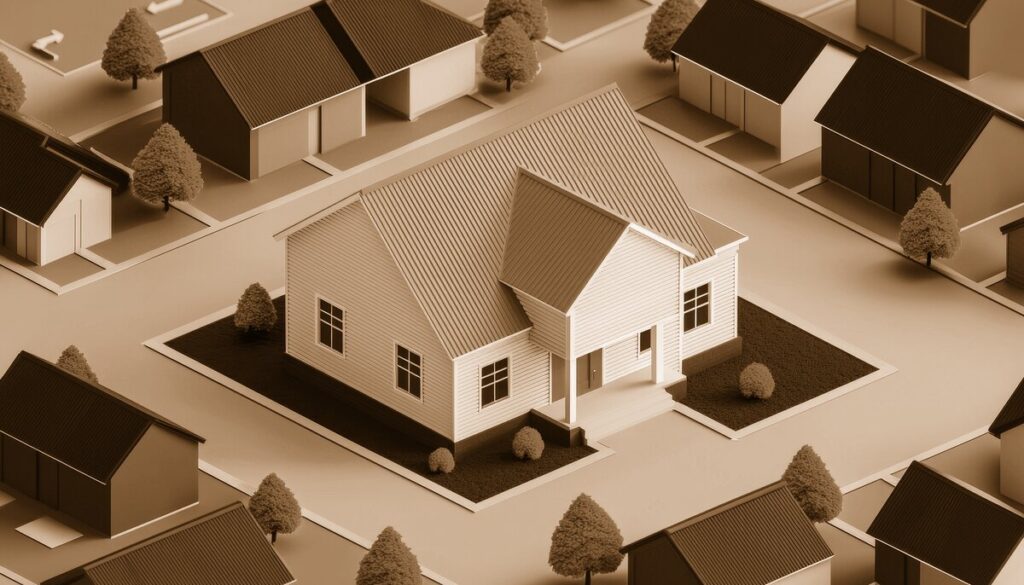
Nestled just east of downtown Richmond lies Montrose Heights, a neighborhood quietly tucked away but rich with history, character, and a deep sense of community. For those who have called it home—or are just discovering it—Montrose Heights offers a blend of old Richmond charm, generational stories, and ongoing transformation that makes it truly special.
The Birth of Montrose Heights: Origins and Name
Montrose Heights' story begins in the early twentieth century, when Richmond’s population boom was spilling outward from the bustling city center. Development east of the city often followed key transportation routes, and Montrose Heights was no exception. The neighborhood’s proximity to U.S. Route 60 and Williamsburg Road became a key factor in its emergence, attracting families looking for affordable homes and more space while still being close to downtown opportunities.
But how did Montrose Heights earn its name? The story goes that “Montrose” draws inspiration from the Scottish town of the same name—a nod to the Scottish heritage common among Richmond settlers in the 1800s. The “Heights” portion speaks to the neighborhood’s gentle rise above the flatter bottomlands nearer the James River, offering higher ground and, in the era before air conditioning, welcome breezes during Richmond’s muggy summers.
Key Historical Milestones
Early Development and Community Growth
By the 1920s and 30s, Montrose Heights began to take shape as a residential enclave. Modest Craftsman-style bungalows and cottages dotted the streets near Williamsburg Road and Carlisle Avenue. Community centers, like the former Montrose Elementary School (later the Montrose School Apartments), provided a hub for neighborhood life, while churches such as Montrose Presbyterian Church helped knit the community together with faith, food, and fellowship.
Impact of Transportation
Montrose Heights’ fortunes have long been shaped by the roads and rails that run through it. Williamsburg Road (U.S. 60) once served as the main artery for travelers heading to Williamsburg, and the historic Richmond Railroad Belt Line skirted the area’s edge. This made Montrose Heights a crossroads—one where new arrivals brought energy, but where changing traffic patterns sometimes challenged the neighborhood’s peace and quiet. Yet, the area’s access has continued to draw new residents seeking an easy commute and a sense of retreat from the city bustle.
WWII and Postwar Years
During World War II, Richmond’s growth surged again, with Montrose Heights welcoming new residents—many working in the city’s factories or at nearby defense installations. The housing stock expanded, with additional homes cropping up along Montrose Avenue, Byrd Avenue, and Potomac Avenue. Parks such as Montrose Heights Playground became anchors for children and neighborhood events.
The postwar decades saw families putting down roots, with multi-generational households forming a strong fabric of neighborhood life. The area’s affordable homes and mature trees made it attractive to those seeking stability just outside city limits, and local institutions—like Fulton Hill Baptist Church—were central to community identity.
Landmarks and Notable Buildings
Montrose Heights, while largely residential, hides some historical gems for those who know where to look:
- Montrose School Apartments – Originally Montrose Elementary School, this stately brick building at 2901 Holly Avenue was constructed in 1916. Converted into apartments for seniors, its classic architecture and large windows stand as silent witnesses to thousands of students’ childhoods.
- Montrose Heights Playground & Park – Located along Oakwood Avenue, this community green space is more than just a recreation spot; it’s where countless games of baseball and neighborhood picnics have occurred over the decades.
- Historic Churches – The cluster of small churches—Montrose Presbyterian, Oakwood Memorial Baptist, and others—along neighborhood streets are both spiritual and architectural landmarks, representing more than a century of worship and communal gathering.
A Neighborhood in Transition
Montrose Heights’ evolution mirrors that of Richmond itself. Once considered a suburb, the area is now increasingly recognized as a near-in neighborhood prized for its authenticity and affordability. The late 20th and early 21st centuries brought new waves of residents—first-time homebuyers drawn by the Craftsman bungalows, growing families enjoying the roomy backyards, and older residents committed to preserving the area’s character.
Over the last decade, Montrose Heights has experienced a gentle revival, with homes meticulously restored and gardens bursting with flowers along streets like Yosemite Drive and Carlisle Avenue. The neighborhood’s annual block parties and holiday parades are well-attended, keeping the bonds of community tight. The proximity to Church Hill, Rocketts Landing, and the Virginia Capital Trail means residents enjoy both neighborhood quiet and easy access to some of Richmond’s trendiest spots.
Heritage and Community Pride
If you ask longtime residents what makes Montrose Heights special, a few themes emerge: the sense of connection, the deep roots of families who have lived here for generations, and the enduring beauty of the old homes and tree-lined streets. Streets like Potomac Avenue or Kane Street hold stories—of childhood adventures, of neighbors looking out for one another, of barbecues and block parties that last into the evening.
The area’s heritage is celebrated not as a relic but as a living, breathing part of daily life. Community clean-ups, historical walkabouts, and the pride taken in home restoration all underscore how Montrose Heights values its past even as it welcomes the future.
The Future of Montrose Heights
Today, Montrose Heights sits quietly at the intersection of tradition and change. With housing prices in nearby neighborhoods on the rise, more people are discovering the beauty and potential in this corner of Richmond. The efforts of local neighborhood associations and devoted residents ensure that any change comes with careful stewardship of the area’s history.
As new families and individuals join the community, Montrose Heights remains defined by the same qualities that have always set it apart: neighborliness, authenticity, and the sense that you’re part of something bigger than yourself. Whether you’re strolling along Williamsburg Road, waving to neighbors from a porch swing on Holly Avenue, or watching your kids play in Montrose Heights Playground, you’re sharing in a legacy that stretches back a century—and is only getting richer with time.
Montrose Heights may not be the loudest or most famous Richmond neighborhood, but for those who know it, it holds a quiet magic—a fusion of history, hope, and heart.